
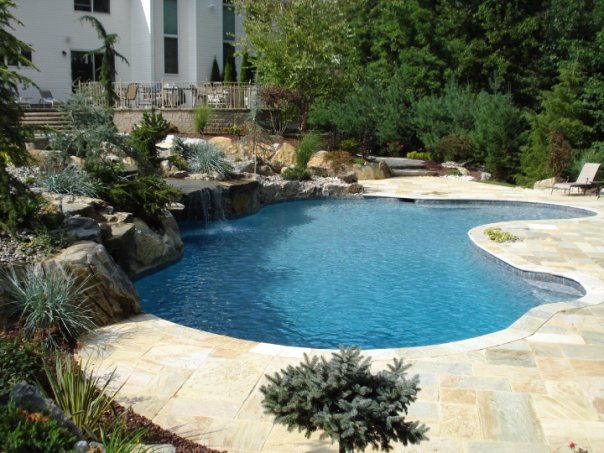
 Preparing Your Pool for a Leak Detection
Before Atlantic Pool Leak Detection professionals arrive to investigate your potential pool leak, you should first vacuum the pool. Dirt can cover even the smallest of leaks, so having a clean pool is a good start to ensure that any and all leaks can be detected. Make sure the water is clean and clear so that testing is effective. If it is not, the water could contain molds, fungus, larvae, algae, and other contaminants that could make you sick, besides making it almost impossible to test.
When you call us to enquire about pool leaks, please make sure to let us know:
• If the pool also includes a spa
• Where the pool equipment is located
• How many pumps the pool has
• The pool construction material (gunite, vinyl, or fiberglass)
• How many skimmers there are
• If there are any other water features
• If it leaks more with the equipment turned on or off
• How much water is lost over a 24-hour period
• If there is an auto-fill on the pool or spa
• Have you let the water leak until it stops at a certain level
• How old is the pool and do you know who built it
Pool Leak Detection Methods – Comparison
| Feature/Capability | Scuba/Visual Inspection Only | Atlantic Pool Leak Detection (Full Diagnostics) |
| Underwater shell inspection | Yes | Yes |
| Visual inspection of fittings & lights | Yes | Yes |
| Detects cracks in plaster / liner | Yes | Yes |
| Detects leaks in skimmer lines | No | Yes |
| Detects leaks in return lines | No | Yes |
| Detects leaks in main drain lines | No | Yes |
| Detects underground plumbing leaks | No | Yes |
| Line isolation testing | No | Yes |
| Confirms plumbing integrity | No | Yes |
| Can rule out plumbing system | No | Yes |
| Finds leaks not visible to divers | No | Yes |
| Non-invasive diagnostics | Limited | Yes |
| Provides objective test results | No | Yes |