
Think your pool is leaking? Water loss can come from the pool structure, vinyl liner, fittings, equipment, or underground plumbing. Accurately identifying the source takes more than a quick visual inspection.
Atlantic Pool Leak Detection provides professional pool leak detection throughout New Jersey and Staten Island, NY. We use specialized diagnostic equipment and proven testing methods to locate swimming pool leaks accurately without unnecessary digging or guesswork.
Our process is designed to answer three important questions:
- Is the pool actually leaking?
- Which part of the pool system is leaking?
- Can the exact location be pinpointed before repairs begin?
Homeowners who are still trying to understand the cause of their water loss can start with our Pool Leak Guide, which explains the most common warning signs and testing methods.
Protect Your Pool Investment with Accurate Leak Detection
A swimming pool is a major investment. Even a small leak can waste water, increase chemical use, raise utility costs, and force the pool equipment to work harder.
Leaks that continue underground may also wash away soil beneath patios, decks, or surrounding areas. Over time, this can contribute to settling, cracking, or other costly damage.
The first visible problem is not always the true source of the leak. A torn liner, wet area in the yard, or cracked fitting may be part of the issue, but it should not be treated as proof without further testing.
Our team evaluates the pool structure and plumbing system so repairs can be based on confirmed findings. This helps homeowners, pool professionals, property managers, and contractors avoid paying for work that does not solve the water loss.
What Causes a Pool Leak?
Pool leaks can develop in several areas, and each type of leak requires a different diagnostic approach.
Common causes include:
- Underground plumbing line breaks
- Vinyl liner punctures or seam separation
- Cracks in gunite, concrete, or fiberglass shells
- Failed skimmers or return fittings
- Pool light and conduit leaks
- Main drain plumbing failures
- Spa plumbing leaks
- Waterfall and water feature lines
- Equipment pad plumbing and valves
- Structural movement or settling
- Freeze damage and aging pipe connections
A pool can also have more than one leak at the same time. Repairing the first issue found does not always stop the water loss, which is why a complete evaluation may be necessary.
Common Signs Your Pool May Be Leaking
Not all water loss means a pool is leaking. Heat, wind, humidity, direct sunlight, and pool use all affect evaporation.
Professional testing should be considered when you notice:
- Water must be added every few days
- The pool is losing water faster than expected
- Air is entering the pump basket
- The pool equipment frequently loses prime
- Wet or soft areas appear around the pool
- Water bills have increased
- Chemical levels are difficult to maintain
- Cracks appear in the pool shell, tile, or coping
- The pool deck begins shifting or sinking
- The water level repeatedly stops at the same height
- Water loss changes when the pump is turned on or off
- An automatic water filler seems to run constantly
Our guide to the most common signs your pool has a leak can help you decide when the problem needs further evaluation.
Where Do Pools Leak Most Often?
Swimming pool leaks can occur in almost any part of the system. Some can be found underwater, while others are hidden beneath the ground or behind the pool structure.
Skimmers
Leaks often develop where the skimmer meets the pool wall. Separation, cracking, failed seals, or movement around the skimmer can allow water to escape.
Return Lines
Return lines carry filtered water back to the pool. Underground pipes, fittings, and joints can crack or separate due to age, soil movement, freeze damage, or installation problems.
Main Drain Lines
Main drain plumbing is buried beneath the pool and cannot be fully evaluated through visual inspection. Testing is normally required to determine if the line is holding pressure.
Pool Lights and Conduits
Water loss may occur around the light niche, gasket, or conduit that runs behind the pool light. In some cases, the fixture appears to be the problem when the leak is actually farther back inside the conduit.
Underground Plumbing
Underground plumbing leaks are frequently missed because there may be nothing visible at the surface. These leaks can affect skimmer lines, returns, main drains, spa lines, cleaner lines, and water features.
Our page on underground pool plumbing leaks explains how these problems are confirmed and located before excavation.
Vinyl Liners
Vinyl liners can develop small punctures, tears, and seam separations. Some are easy to identify, while others require careful underwater inspection and dye testing.
Gunite and Fiberglass Pools
Gunite, concrete, and fiberglass pools may leak through cracks, fittings, lights, skimmers, or plumbing penetrations. A crack should be tested before anyone assumes it is responsible for the water loss.
How Pool Leak Detection Works
Professional pool leak detection is a process of elimination. Each part of the pool system is evaluated to determine where water is escaping.
The testing methods used depend on the pool type, plumbing layout, water-loss pattern, and symptoms reported by the homeowner.
Our process may include:
Pressure Testing
Pressure testing is used to determine if individual pool plumbing lines are holding pressure.
Skimmer lines, return lines, main drains, spa lines, cleaner lines, and water-feature lines can be isolated and tested separately. A line that loses pressure may have a break or failed fitting somewhere along the plumbing run.
Read more about our pool pressure testing process and how it is used to confirm hidden plumbing leaks.
Electronic and Acoustic Leak Detection
Specialized listening equipment can help identify the sound or movement created by a leaking underground pipe. Once pressure testing confirms which line is leaking, electronic testing may allow us to narrow the break to a smaller area.
This can reduce the amount of excavation needed to reach the damaged pipe.
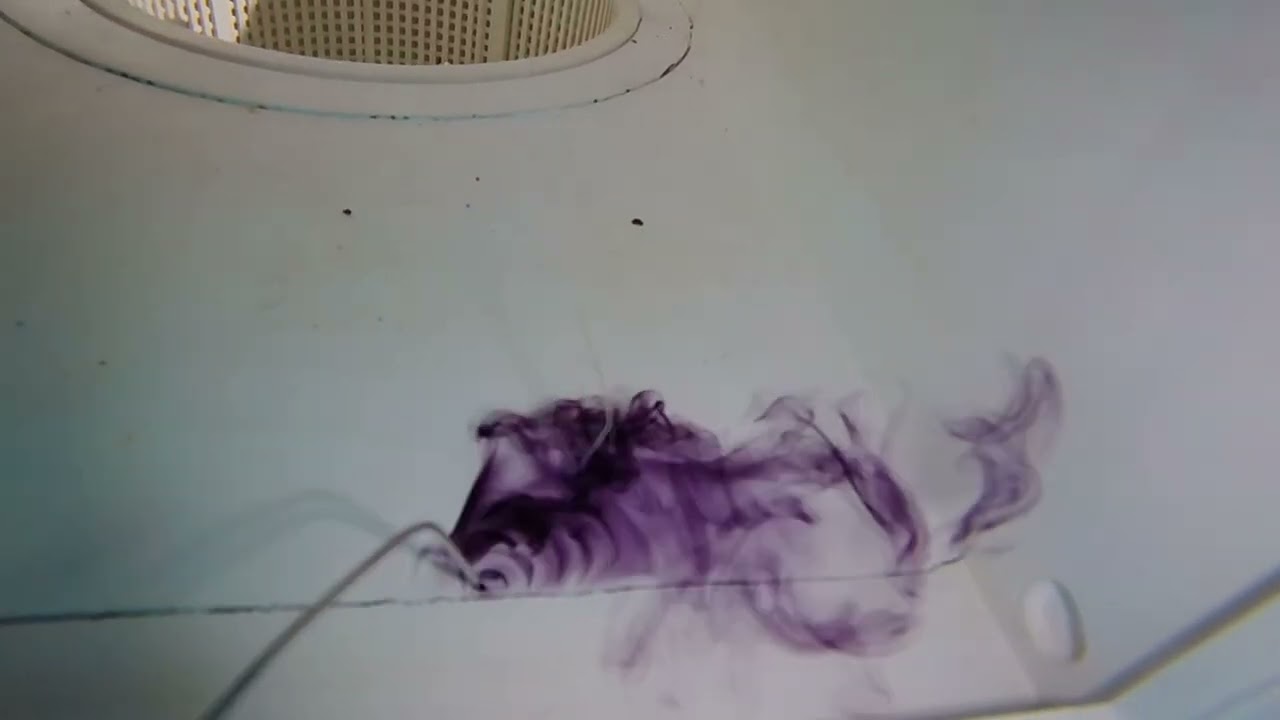
Dye Testing
Dye testing is used around visible leak points such as:
- Vinyl liner damage
- Skimmers
- Return fittings
- Pool lights
- Main drain covers
- Structural cracks
- Seams and penetrations
Dye testing is useful when evaluating visible areas inside the pool, but it cannot confirm an underground plumbing leak by itself.
Line Isolation Testing
Individual plumbing circuits can be separated from the rest of the system and tested on their own. This helps determine exactly which line has failed instead of treating the entire plumbing system as one unit.
Underwater Inspection
The pool structure, fittings, lights, drains, and liner may be inspected underwater when needed. Many leaks can also be repaired without draining the pool once the correct location is identified.
We Routinely Find Leaks That Were Previously Overlooked or Misdiagnosed
Pool leaks are often misdiagnosed because the most obvious issue is not always the real problem.
A homeowner may be told the liner is leaking because the pool has a vinyl liner. Another company may recommend replacing a plumbing line after incomplete testing. A diver may inspect the interior and report that no visible leak was found, even though an underground pipe is still losing water.
We regularly identify:
- Underground plumbing breaks
- Pool light conduit leaks
- Failed return or skimmer lines
- Water-feature plumbing leaks
- Multiple leaks within the same pool system
- Problems that only occur while the equipment is running
- Leaks that stop temporarily when the water reaches a certain level
Our pool leak case studies show how proper testing helped homeowners avoid unnecessary repairs and locate problems that had previously been missed.
Finding a leak is not enough. The important part is finding the right leak.
Why Many Pool Leak Detections Miss the Real Problem
Many pool owners begin by hiring a scuba diver or requesting a visual inspection. Underwater inspection can be useful, but it is limited to areas that can be seen and tested from inside the pool.
A diver may be able to:
- Inspect the pool shell or liner
- Check visible fittings
- Examine pool lights
- Test visible cracks or tears
- Complete certain underwater repairs
A complete pool leak detection company can also:
- Pressure test underground plumbing
- Isolate individual suction and return lines
- Test skimmer and main drain plumbing
- Confirm whether a pipe is holding pressure
- Electronically locate underground breaks
- Determine if the leak is outside the pool structure
- Evaluate both visible and hidden leak sources
Our page explaining why we are more than scuba divers provides a closer look at the difference between visual inspection and complete diagnostic testing.
Homeowners who hire a visual-only company first may end up paying a second company to test the plumbing later. Starting with a complete evaluation can help avoid paying twice.
The Cost of Misdiagnosing a Pool Leak
Guessing at the source of a leak can become expensive quickly.
A homeowner may patch the liner even though the plumbing is leaking. A contractor may excavate around the wrong pipe. An entire plumbing line may be abandoned or replaced based on incomplete testing. None of these repairs will stop the water loss if the diagnosis is wrong.
Accurate leak detection helps prevent:
- Replacing the wrong plumbing line
- Excavating unnecessary areas
- Repairing cracks that are not leaking
- Replacing a liner without proof
- Paying multiple companies to investigate the same problem
- Allowing the actual leak to continue after repairs
The diagnosis should come first. Repairs should be based on confirmed test results.
What Can Happen If a Pool Loses Too Much Water?
A pool should not be allowed to remain empty or nearly empty without professional guidance.
Water inside the pool helps balance pressure from the surrounding soil and groundwater. Significant water loss can leave the pool structure vulnerable to movement or damage.
Covered pools can be especially difficult to monitor during winter. A leak may continue for months without being noticed. By spring, the pool may have lost a large amount of water.
Possible consequences include:
- Vinyl liner shrinking or shifting
- Wrinkles and liner damage
- Cracks in gunite or concrete
- Pool walls or floors moving
- Damage to underground plumbing
- Hydrostatic pressure lifting the pool structure
- Damage to the cover or support system
Homeowners who notice different water-loss patterns with the equipment running can use the pump-on and pump-off leak test to gather useful information before an appointment.
Types of Pool Leak Detection We Perform
Atlantic Pool Leak Detection works on a wide range of pools and water systems, including:
- Vinyl liner pools
- Gunite pools
- Concrete pools
- Fiberglass pools
- Indoor pools
- Residential pools
- Commercial pools
- Attached spas
- Pool plumbing systems
- Underground pipe leaks
- Skimmers and return fittings
- Main drains
- Pool lights and conduits
- Waterfalls and water features
The diagnostic approach is adjusted based on the construction and plumbing layout of each pool.
Can a Pool Lose Water Without a Leak?
Yes. All swimming pools lose some water through evaporation.
Temperature, wind, humidity, sunlight, water temperature, and pool use can affect how quickly water evaporates. Splash-out and backwashing can also lower the water level.
The problem should be investigated when water loss becomes frequent, excessive, or inconsistent with current weather conditions.
A pool leak or evaporation comparison can help you understand what may be normal. You can also complete a home bucket test to compare pool water loss with evaporation over the same period.
The bucket test can indicate that a leak may be present, but it cannot identify the location or tell you whether the problem is structural or related to plumbing.
Why Accurate Leak Detection Matters
Proper leak detection gives homeowners clear information before repair work begins.
An accurate diagnosis can:
- Prevent unnecessary repairs
- Reduce unnecessary digging
- Limit damage to patios and landscaping
- Identify the correct plumbing line
- Help contractors plan a focused repair
- Reduce water and chemical loss
- Shorten pool downtime
- Prevent repeat service calls
Atlantic Pool Leak Detection uses a systematic testing process instead of assuming the leak is in the most visible or convenient location.
You can also watch our pool leak detection videos to see real on-site testing, underwater inspections, and diagnostic work.
Pool Leak Repair Options
The repair required depends on the type and location of the leak.
Some repairs may be completed underwater, including:
- Vinyl liner patches
- Certain fitting repairs
- Pool light repairs
- Minor structural repairs
- Repairs around penetrations and seals
Learn more about the underwater pool repairs we perform without draining the pool.
Underground plumbing repairs usually require excavation after the break has been pinpointed. Locating the damaged section first helps the repair contractor dig in the correct area and avoid opening more of the property than necessary.
A repair cannot be properly recommended until the source of the leak has been confirmed.
Pool Leak Detection in New Jersey and Staten Island, NY
Atlantic Pool Leak Detection provides professional service throughout New Jersey and Staten Island.
Primary service areas include:
- Monmouth County
- Middlesex County
- Ocean County
- Mercer County
- Somerset County
- Morris County
- Union County
- Burlington County
- Staten Island, NY
- Additional parts of New Jersey and eastern Pennsylvania based on availability
Homeowners in New York can learn more about our dedicated Staten Island pool leak detection services.
We work with homeowners, pool companies, contractors, property managers, commercial clients, and real estate professionals.
Schedule Professional Pool Leak Detection
If your pool is losing water, continuing to refill it will not solve the problem. Early testing can help reduce wasted water, chemical loss, equipment strain, soil erosion, and avoidable repair costs.
Atlantic Pool Leak Detection uses pressure testing, underwater inspection, dye testing, line isolation, and electronic leak detection to identify the source of water loss as accurately as possible.
Call 732-333-3304 for New Jersey service or 718-532-4880 for Staten Island.
You can also contact Atlantic Pool Leak Detection to request an appointment.
Frequently Asked Questions
How much water loss is normal in a pool?
Many pools lose approximately 1/8 to 1/4 inch of water per day due to evaporation. Actual water loss depends on heat, wind, humidity, sunlight, and pool use. Consistent loss beyond normal conditions may indicate a leak.
Do I need to drain my pool for leak detection?
No. Most leak detection testing and many underwater repairs are completed with the pool filled.
How long does pool leak detection take?
Most residential appointments take a couple of hours. Larger pools, complex plumbing layouts, attached spas, and multiple water features may require additional time.
Can a pool leak come and go?
A leak may appear inconsistent under certain conditions. Some plumbing leaks only occur while the system is pressurized. Other leaks may slow down after the water drops below the damaged area. Dirt or debris can also temporarily block a small opening.
Can you find an underground pool leak without digging?
Pressure testing can confirm which plumbing line is leaking. Electronic and acoustic equipment may then allow the break to be pinpointed before excavation. Conditions at the property can affect how precisely the location can be narrowed down.
Are underground pool leaks common?
Yes. Underground leaks can develop in return lines, skimmer lines, main drains, cleaner lines, spa lines, and water-feature plumbing.
Can an underground pool leak wash away soil?
Yes. Water escaping from a buried pipe can erode soil and create voids beneath patios, decks, or nearby areas. This may contribute to settling, cracking, or movement if the leak continues.
Are pool leaks worse in winter?
Winter leaks are not always more severe, but they are easier to miss because the pool may be covered and unused. Ongoing water loss can damage liners, covers, plumbing, or the pool structure before the problem is discovered in spring.
Can dye testing find every pool leak?
No. Dye testing is useful for visible areas inside the pool, including liners, fittings, skimmers, lights, and cracks. It cannot confirm a leak inside an underground plumbing line.
Do you repair pool leaks after finding them?
Many underwater leaks can be repaired during or after the inspection. Underground plumbing repairs may need to be completed by a pool contractor or excavation company after the location has been pinpointed.
What is the difference between a pool diver and a leak detection company?
A pool diver can inspect and repair visible underwater problems. A full leak detection company can also pressure test plumbing, isolate individual lines, and locate underground pipe breaks that cannot be seen from inside the pool.
Can a pool have more than one leak?
Yes. A pool may have a liner or structural leak along with a separate underground plumbing problem. Complete testing helps identify multiple leak sources before repairs begin.
Case Studies
Marlboro, NJ Pool Leak Case Study: Customer Didn’t Want to Wait 2 Weeks – 5+ Weeks Later, the Pool Was Still Leaking
The Problem: Losing 1-2 Inches of Water Every Day A homeowner in Marlboro, NJ contacted Atlantic Pool Leak Detection because their swimming pool was losing approximately 1-2 inches of water per day. When they first reached out to us, our next available appointment was approximately two weeks away. With the pool losing that much water, […]

Port Reading Pool Leak Case Study | Avoiding an Unnecessary $5,000 Pool Repair
A Port Reading homeowner was told to spend $5,000 replacing the wrong plumbing line. See how professional pool leak detection and pressure testing identified the actual underground leak, saving thousands in unnecessary repairs and avoiding costly excavation.

Morganville NJ Pool Leak Case Study | $1,050 Spent Before the Real Leak Was Found
A new liner. A diver. Pressure testing. $1,050 spent and the pool still leaked. Discover how Atlantic Pool Leak Detection found the real culprit, a broken waterfall line, before thousands more were wasted on the wrong repair.

Chester NJ Pool Leak Detection Case Study | Pool Light Leak Repaired Underwater
A leaking pool threatened to delay a home sale in Chester, NJ. Learn how Atlantic Pool Leak Detection identified the leaking pool light, completed the repair underwater, and helped the homeowner avoid delays before closing.

Holmdel NJ Indoor Pool Leak Detection | Pool Light Leak Found & Repaired
After several companies failed to locate the problem, Atlantic Pool Leak Detection identified and repaired an indoor pool light leak in Holmdel, NJ during a single visit. Learn how our accurate diagnostics solved the issue without unnecessary repairs.