
How Frozen Pool Pipes Can Wreck Your Pool This Winter (And What to Do About It)
 February 18, 2026
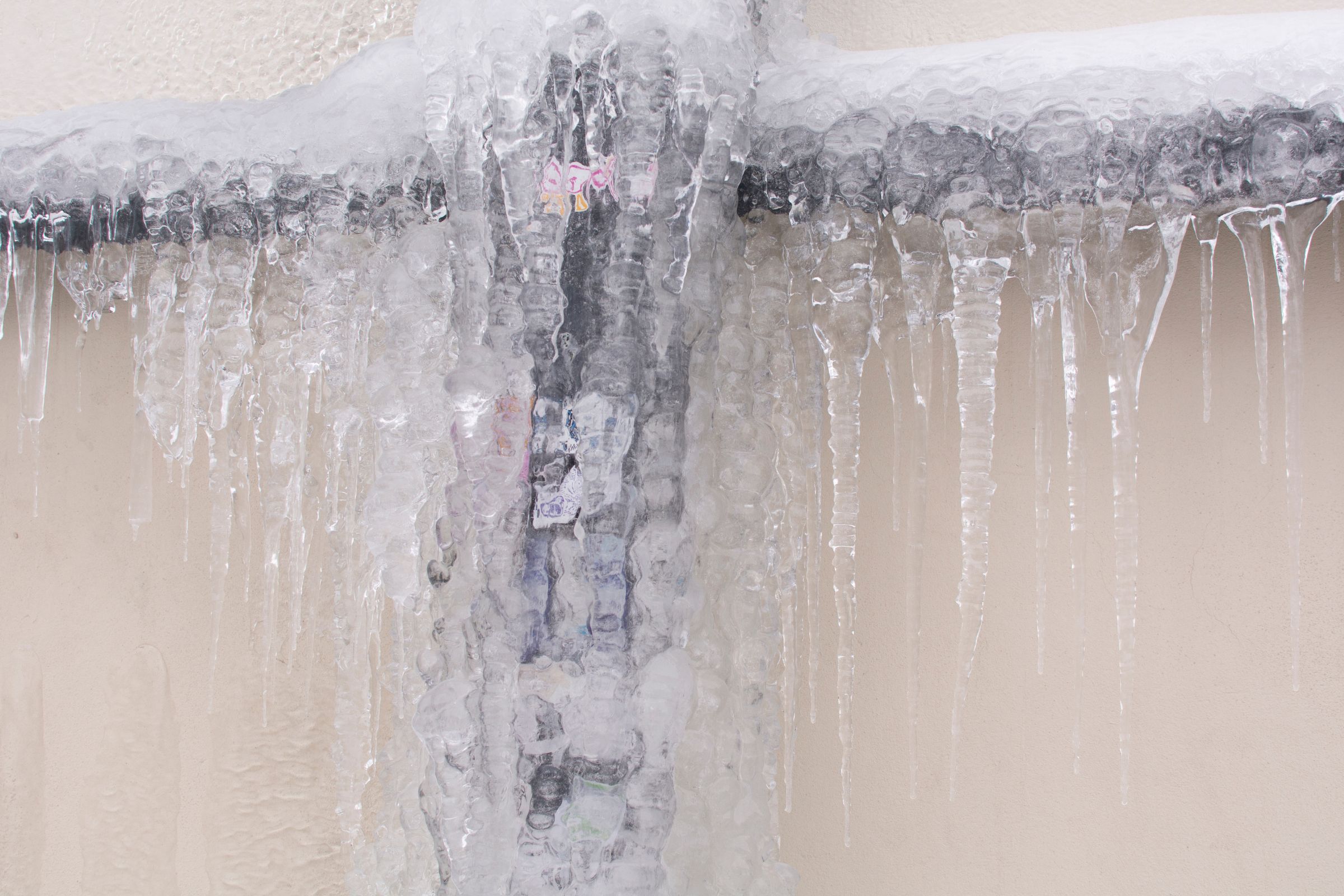
With this extended cold snap gripping New Jersey, pool owners face a serious threat: frozen pool pipes. If your pool wasn’t properly winterized, icy temperatures can do more than make things uncomfortable. They’re known to burst pipes, crack equipment, and cause hidden leaks that go unnoticed all the way to spring. If you don’t want an unfortunate summer surprise, early detection is key.
Why Frozen Pool Pipes Are So Dangerous
Water expands when it freezes, and that’s a problem inside PVC plumbing and pool equipment. The pressure from frozen water can:
- Crack or burst underground pipes
- Damage pool heaters, filters, and pumps
- Cause slow leaks that go undetected for months
- Shift tiles and coping as ice expands under the surface
In many cases, damage from frozen pipes isn’t obvious until your pool opens for the season and by then, the repairs can be expensive.
How Frozen Pool Pipes Lead to Spring Surprises
When pool pipes freeze during extended cold snaps, the real damage doesn’t always happen immediately. In most cases, the consequences remain hidden until the warmer months arrive and it’s time to reopen the pool. What might seem like a harmless freeze in January can quickly turn into a costly disaster by April.
As the ice thaws and your pool system is re-pressurized, small cracks caused by expanding frozen water can begin to leak. Pipes that are held together while frozen may no longer be structurally sound. Once water begins to flow again, those weak spots are exposed which leads to dripping, pooling, or even significant underground leaks. You might also discover that fittings have shifted, valves no longer seal correctly, or parts of your filtration system aren’t functioning properly.
Unfortunately, even your pool equipment isn’t safe in this situation. Pumps, filters, and heaters exposed to freezing conditions without proper winterization can crack internally or suffer seal failure. Once restarted, the equipment may short out, leak, or operate inefficiently. Many homeowners are caught off guard by these issues because the pool looked fine all winter, until it suddenly wasn’t.
That’s why it’s crucial to address any suspected freeze damage ASAP. Acting early gives you time to repair or replace damaged components before they escalate into larger problems. This proactive approach saves you money, reduces stress, and ensures your pool will be ready to go when warm weather does finally return.
Signs Your Pool May Have Frozen Pipe Damage
It’s not always easy to tell when your pool’s plumbing is in trouble during the winter, but here are red flags to look out for:
- Wet spots around the pool deck, even during freezing temps
- Ice forming around the equipment pad
- Your pool cover sinking due to water loss
- Visible cracks in pipes, fittings, or valves
- Equipment struggling to prime or hold water
If you notice any of these signs, you can call us for a pool leak inspection immediately. Catching the damage now can save you thousands later.
Preventing Frozen Pool Pipes in the Future
Not all pools are winterized properly and that’s when issues begin. Proper winterization includes:
- Blowing out and plugging return and skimmer lines
- Blowing out and air-locking bottom drain and floor return lines
- Draining all equipment and pipes
- Adding antifreeze where necessary
- Covering equipment and insulating exposed plumbing
If you’re feeling unsure about any of these factors, now’s the time to get a professional to take a second look.
What To Do If You Suspect Frozen Pipe Damage
Don’t wait until Summer to deal with frozen pipe damage. Frozen pipes don’t fix themselves. When the snow melts, you could be facing extensive damage and a costly repair bills.
If you’re feeling unsure, schedule an early pool leak inspection with Atlantic Pool Leak Detection. We detect frozen pipe damage, as well as other winter-related pool damage that allows you to enjoy peace of mind, and save your time and money.
Categorised in: FAQ Blog