
If your pool is losing water and no visible leak can be found, the problem is often in the underground plumbing lines, and not the pool itself. This is where pool pressure testing becomes critical. If you’re unsure how pool leak detection works or what testing involves, check our Pool Leak Guide for a complete overview of the process.
At Atlantic Pool Leak Detection, pressure testing is one of the core diagnostic methods we use to accurately identify underground leaks, without unnecessary digging or guesswork.
What Is Pool Pressure Testing?
Pool pressure testing is a method pool leak detection professionals use to determine whether your pool’s plumbing lines are leaking or broken.
The process involves:
- Isolating individual plumbing lines (returns, skimmers, main drain, etc.)
- Sealing them off
- Pressurizing the lines
- Monitoring for pressure loss
If the pressure drops in one of the lines, a pool leak is present.
In simple terms: A pipe that is not broken will hold pressure. If it doesn’t hold pressure, then it’s leaking.
This allows us to confirm whether a plumbing line is the source of water loss before any digging is done. Pressure testing is widely considered the most effective way to detect pool plumbing leaks because it directly measures whether a pipe can hold pressure or not.
How Pool Pressure Testing Works
Here’s how professional pressure testing is performed:
- System isolation – Each plumbing line is isolated and sealed using specialized testing plugs.
- Pressurization – Air or water is introduced into the line, building pressure to a controlled PSI level appropriate for the pool system.
- Monitoring – The line is monitored over time using a pressure gauge.
No pressure loss > the line is holding (not leaking)
Pressure drop > a leak is confirmed - Line-by-line testing – Lines may be individually tested to pinpoint exactly where the issue is.
What Pressure Testing Can Reveal
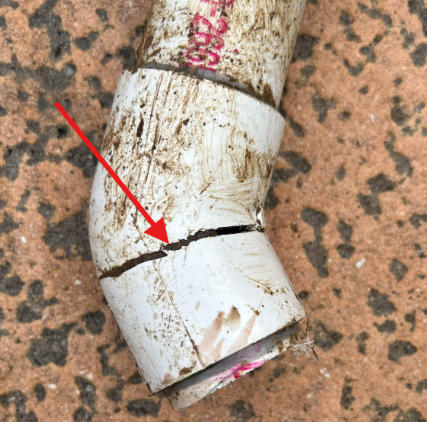
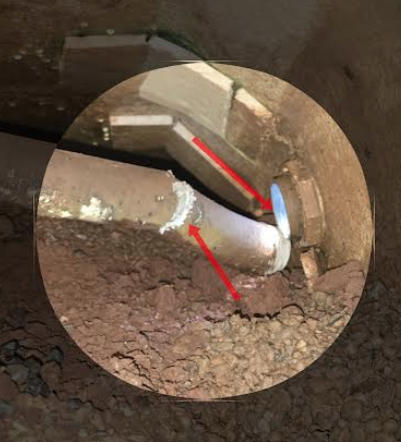
Pressure testing allows us to identify plumbing failures that are completely hidden underground and cannot be detected visually. In many cases, these issues show no visible signs by or around the pool. Common problems we find include cracked fittings (especially at wall fittings), and 45s or 90s, along with separated or poorly glued joints, stress fractures in pipes, and underground pipe failures caused by movement or age. These are the types of leaks that cannot be found without proper pressure testing and diagnostic equipment.
Why Pressure Testing is so Important
Most serious pool leaks are not visible and commonly occur in underground return lines, skimmer lines, main drain lines, or vacuum cleaner lines. Pressure testing is critical because it confirms whether the pool plumbing is leaking, helps prevent unnecessary digging, eliminates guesswork, and reduces the risk of costly misdiagnosis. It is widely considered the most reliable way to determine whether your underground pool plumbing is the true source of water loss.
Pool Divers Don’t Pressure Test
This is where many homeowners are misled. Pool divers typically focus on visible leaks and may use dye testing around fittings and penetrations, but their approach is limited to what can be seen. They cannot test underground plumbing, and as a result, plumbing leaks are often missed entirely. While dye testing may suggest a problem, it cannot confirm whether a plumbing line is leaking. Only pressure testing can determine if an underground pipe is actually leaking or not.
Professional Leak Detection (What We Do)
APLD pressure tests plumbing lines, isolates individual lines, and uses advanced electronic leak detection equipment to accurately pinpoint underground leaks.
If the leak is in the underground plumbing, a pool diver will not be able to find it. Learn more about our non-invasive leak detection process.
Not All Pressure Testing is the Same
Many companies claim to perform pressure testing, but the method and accuracy can vary significantly. In some cases, testing may be done at too low of a pressure, individual lines may not be properly isolated, or the system may only be monitored for a short period of time, which can lead to missed slow or intermittent leaks. At Atlantic Pool Leak Detection, each line can be properly isolated and pressure is monitored over time, not just briefly, to ensure accurate results. We also verify findings before drawing conclusions, which helps ensure the diagnosis is correct and avoids unnecessary repairs.
Air vs Water Pressure Testing
There are two primary methods used in pressure testing: air and water. Experienced pool leak detection professionals understand when to use each method, and when to use both together depending on the situation.
Signs You May Need Pressure Testing
You may have a plumbing leak if you notice:
- Ongoing water loss that cannot be explained by evaporation (learn how to tell if a pool leak or evaporation is the cause)
- More water loss when pump is running than when it is off
- More water loss when pump is off than when it is on
- Wet or soft spots in the yard near the pool
- Air bubbles coming from return jets inside the pool
- Difficulty getting the pool pump to maintain prime
If you’re noticing these symptoms, you may want to review the most common signs your pool may have a leak or learn how to compare water loss with the pump on vs pump off before moving forward with testing.
Why Proper Testing Matters
Without proper pressure testing, homeowners often end up attempting repairs in the wrong area, hiring multiple companies, digging without knowing where the issue actually is, and wasting money on unnecessary repairs. Getting the problem diagnosed correctly the first time helps avoid these situations and ensures the right solution is applied from the start.
Frequently Asked Questions
How much does pool pressure testing cost in NJ?
The cost of pool pressure testing in New Jersey and Staten Island can vary depending on the pool setup, number of plumbing lines, and complexity of the system. Pricing typically reflects the time and diagnostic work required to accurately test and isolate each line.
Do I need to drain my pool for pressure testing?
No. Pool pressure testing is performed with the pool filled. The process isolates and tests plumbing lines without requiring the pool to be drained.
How long does pool pressure testing take?
Most pool pressure testing takes between 1 to 3 hours depending on the number of lines being tested and the complexity of the system. Additional time may be required if further diagnostics are needed.
Can pressure testing damage pool pipes?
When performed correctly, pressure testing will not damage pool plumbing. Professionals use controlled pressure levels that are appropriate for the system to safely identify leaks.
What does it mean if a line fails a pressure test?
If a plumbing line does not hold pressure, it indicates that there is a leak somewhere in that line. Further diagnostics are then used to determine the exact location of the break.
Can pressure testing find underground pool leaks?
Yes. Pressure testing is one of the most effective ways to confirm underground plumbing leaks. Once a leak is confirmed, additional methods are used to pinpoint the exact location without unnecessary digging.
Is pressure testing better than dye testing?
Pressure testing and dye testing serve different purposes. Dye testing is used for visible, structural leaks, while pressure testing is used to confirm leaks in plumbing lines, especially underground where leaks cannot be seen.
What are the signs I need pool pressure testing?
You may need pressure testing if your pool is losing water consistently, especially if:
- Water loss changes when the pump is on or off
- Air bubbles are coming from return jets
- The pump has trouble staying primed
- No visible leak can be found
Can a pool leak come and go?
Yes. Some leaks may only occur under certain conditions, such as when the system is running or when water reaches a specific level. This can make leaks appear inconsistent even though they are active.
What happens after a leak is found?
Once a leak is confirmed and located, the next step is determining the appropriate repair. This depends on the type of leak, its location, and the condition of the surrounding plumbing or structure.
Need To Have a Pressure Test Done on Your Pool Plumbing?
If you suspect your pool has a plumbing leak, the first step is accurate diagnosis – not guesswork. Atlantic Pool Leak Detection specializes in pressure testing and advanced leak detection to identify exactly where and why your pool is losing water.
If you’d like for Atlantic Pool Leak Detection to perform a pressure test on your pool plumbing, contact us or call 732-333-3304.
To see real-world examples of these types of underground plumbing failures, visit our underground pool plumbing leaks page.