
In Point Pleasant, NJ, many pools have been in place for years and have often been repaired, updated, or modified multiple times over their lifespan. Because of that, when water loss starts to show up, it’s rarely tied to one clear or obvious issue. Different components may have been installed at different times, which can make identifying the true source of a leak more complex than when it first appears.
We provide professional pool leak detection in Point Pleasant, NJ, focused on isolating the exact source of water loss so repairs are made in the right location without relying on assumptions or surface-level observations.
Coastal Conditions Can Play a Role
Point Pleasant’s proximity to the water can also influence how leaks behave. In this area, sandy or mixed soil conditions can allow for gradual movement over time, while moisture levels may fluctuate depending on weather patterns and groundwater levels. Seasonal changes can also impact how plumbing lines and connections expand, contract, or settle. These factors don’t necessarily cause leaks on their own, but they can influence how and where problems develop over time. You can get a better understanding of how these conditions affect pools by reviewing our pool leak guide.
What We Commonly See in Point Pleasant Pools
Pools in Point Pleasant often fall into a mix of:
- Older original installations
- Updated or partially renovated systems
- Equipment and plumbing that has been modified over time
Because of this, leaks don’t always follow a simple pattern.
In many cases, we’re dealing with:
- Underground plumbing that has aged or shifted
- Connections that have been reworked over time
- Components that don’t all date back to the same installation
This mix can make it harder to determine where the issue is coming from without proper testing.
When the Problem Isn’t Where It Appears to Be
In many cases, we’re called out to a pool in Point Pleasant after it has already been checked or even repaired, but the issue wasn’t resolved. This often happens when a visible condition inside the pool is assumed to be the source of the leak.
While a pool diver performing a visual inspection may identify certain issues within the pool, many leaks are not located in areas that can be seen underwater. In many cases, the actual source is in underground plumbing or connections outside of the pool structure.
Without proper testing, it’s easy to focus on what appears to be the problem rather than what is actually causing the water loss. Taking a more thorough approach allows the source to be confirmed so repairs are made where they’re actually needed.
Our Process for Pool Leak Detection in Point Pleasant
Every pool is different, especially in an area like Point Pleasant where many systems have been modified or updated over time. Because of that, our approach is focused on testing and confirming the source of the problem rather than making assumptions.
Depending on how the pool is behaving, the process may include pressure testing individual plumbing lines to determine whether underground pipes are holding or losing pressure, scuba diving the pool to visually inspect fittings and components below the waterline, and dye testing around areas such as skimmers, returns, lights, and other penetrations to check for active leaks.
In many cases, multiple methods are used together to isolate the exact source of the water loss. The objective is to confirm the exact source of the leak so the repair is done correctly the first time, without unnecessary work, repeat repairs or added cost.
Why Accurate Testing Matters
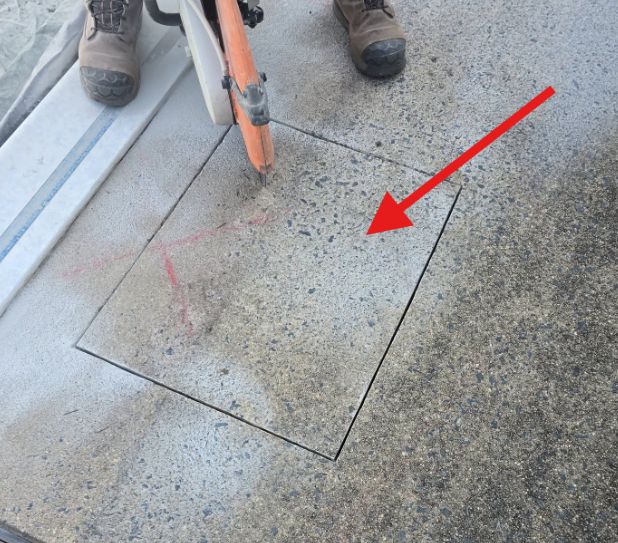
Because pools in Point Pleasant often involve a combination of older and updated components, guessing can lead to the wrong repair.
We’re frequently called after:
- A visible issue was repaired, but water loss continued
- A general pool service company couldn’t isolate the problem
- The source of the leak wasn’t clearly identified
Our process focuses on narrowing things down and confirming exactly where the leak is occurring before any repairs are made. If you want to see how that works, you can review our pool leak detection process.
This helps avoid unnecessary excavation, repeat repairs, and the added expense that comes with addressing the wrong problem.
Pool Leak Detection in Point Pleasant and Throughout Ocean County
We provide pool leak detection in Point Pleasant, NJ and surrounding areas, including Point Pleasant Beach and other nearby communities.
If you’re searching for pool leak detection near Point Pleasant, we work with homeowners, pool companies and contractors throughout Ocean County, NJ to help determine exactly what’s going on with your leaking pool.
When It’s Time to Take a Closer Look
If your pool is losing water and the cause isn’t clear, it’s worth having it evaluated.
This is especially true if:
- You are adding water to your pool more frequently than normal
- You are struggling to properly balance the chemicals
- Water bill and chemical costs are increasing
- The pool has had prior repairs
- Water loss patterns don’t make sense
- The issue has been ongoing or inconsistent
Even when the problem isn’t obvious, identifying it early can prevent more involved repairs later on.
Schedule Pool Leak Detection in Point Pleasant, NJ
If your pool is losing water and you’re not sure why, getting a clear answer is the first step.
Call 732-333-3304 to schedule pool leak detection in Point Pleasant, NJ.
Prefer email? You can request service here:
Frequently Asked Questions
What to do if my pool is leaking in Point Pleasant, NJ?
If your pool is losing more than 1/4” of water per day, requires frequent refilling, or shows signs like air bubbles or wet spots, it may indicate a leak rather than normal evaporation. In this case, calling a pool repair service is the best course of action.
Can pool leaks be underground?
Yes. Many pool leaks occur in underground plumbing lines and cannot be seen during a visual inspection. These leaks require pressure testing and specialized diagnostics to confirm.
How long does pool leak detection take?
Most leak detection appointments take between 1–3 hours depending on the pool system and complexity of the issue.
Do I need to drain my pool for leak detection?
No. Most professional leak detection is performed with the pool filled using non-invasive testing methods.
What happens after a pool leak is found?
Once the leak is identified, the next step is determining the appropriate repair based on its location and cause.